Ports of the World
"Ports of the World" takes viewers inside the high-stakes world of global trade and cruise travel, where every harbour is a power hub shaping economies, cities and lives.
From the cutting-edge automation of Kaohsiung to Melbourne’s fight for space, from Genoa’s delicate balance of heritage and mass tourism to the Bahamas’ dependence on cruise giants, each port faces its own high-pressure reality. In Aarhus, climate ambition is redefining the future, while Busan emerges as a strategic gateway in a shifting global order. Fast-paced and visually striking, the series reveals the hidden forces, bold innovations and critical decisions driving the world’s busiest ports — where global connections are made and the future of trade is decided every day.
Episodes
-
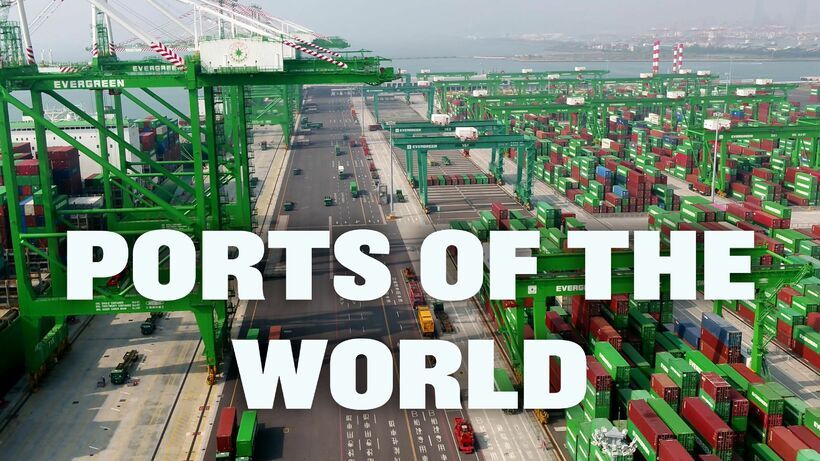
Kaohsiung – Taiwan

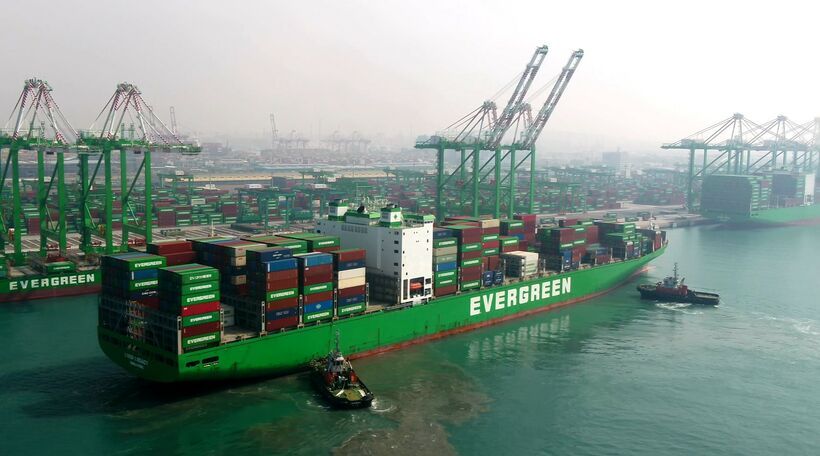
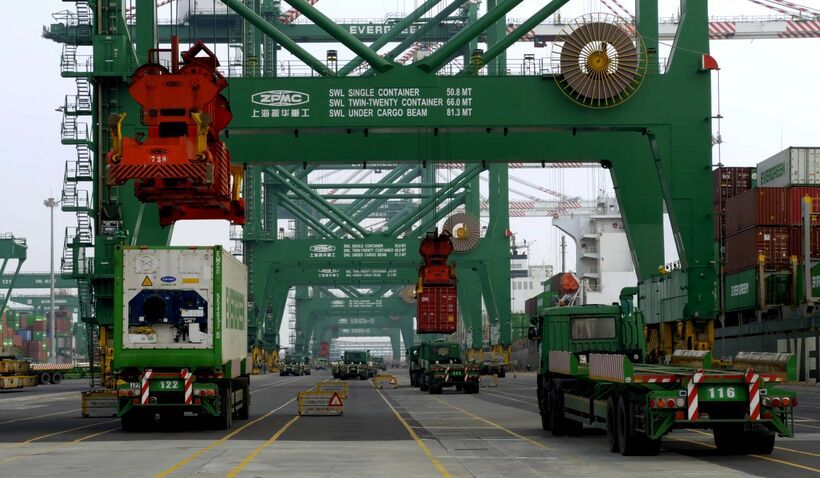
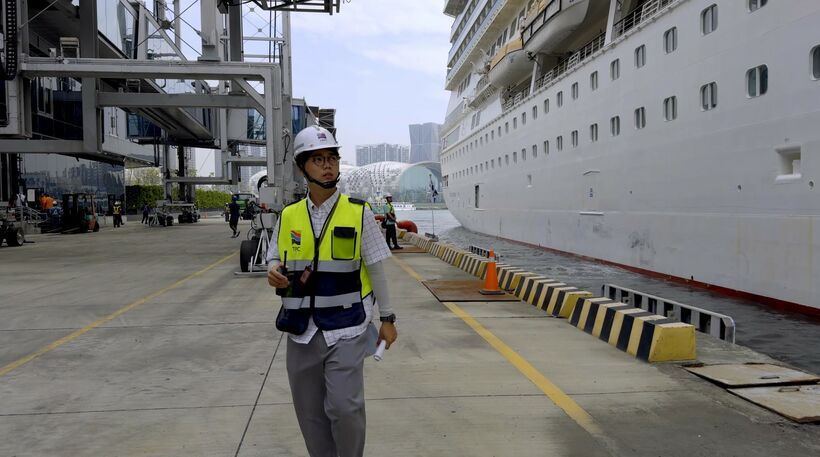
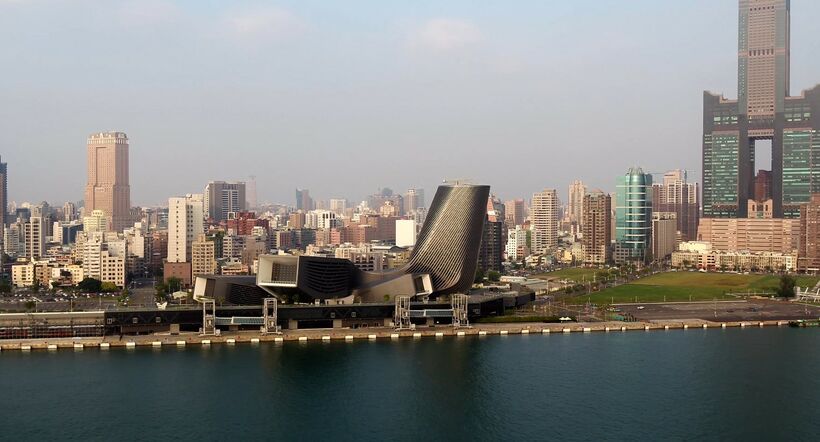
In Kaohsiung, one of Asia’s busiest gateways, the future of global shipping is already in motion. Cutting-edge automation, AI-driven logistics and massive container terminals keep the world’s supply chains moving at relentless speed. At the same time, a striking new cruise terminal is transforming the port into a rising star on international travel routes, blending high efficiency with a bold passenger experience. Behind the scenes, powerful tugboats guide the world’s largest vessels with precision through this high-pressure environment. Kaohsiung reveals how one port is reinventing itself as a next-generation hub - where technology, scale and ambition collide.
-
Genoa – Italy
In Genoa, one of the Mediterranean’s most historic ports, the challenges of the future collide with the constraints of the past. Wedged between mountains and sea, and tightly interwoven with the city centre, the port operates under constant spatial pressure. Here, one of Europe’s busiest ferry hubs connects Italy to islands and coastal destinations, moving thousands of passengers, cars and trucks within narrow time windows. During peak travel periods, the influx pushes urban infrastructure to its limits, turning the port into a high-stakes logistical balancing act. With modernisation, digital systems and sustainability measures underway, Genoa is fighting to stay efficient and liveable at the same time, a port where history, mass mobility and urban reality meet head-on.
-
Melbourne – Australia
In Melbourne, Australia’s busiest container port faces a growing crisis of space. Surrounded by a rapidly expanding city, there is little room left to grow, even as global trade demands ever greater capacity. As containers keep flowing in, the pressure on infrastructure intensifies. Roads, rail and terminal space are pushed to their limits, forcing operators to rethink how every square metre is used. Innovation becomes essential, with smarter logistics, automation and a shift towards rail helping to keep the system moving. At the same time, the race towards sustainability is accelerating. Cleaner energy, electrification and low emission transport are reshaping the port’s future. Melbourne reveals a critical turning point, where one of the world’s key gateways must reinvent itself within tight urban limits.
-
Busan – South Korea
In Busan, one of the world’s leading container ports, global trade moves at full throttle. As South Korea’s largest maritime gateway, the port connects major shipping routes between Asia, Europe and the Americas, handling over 24 million containers a year and ranking among the busiest hubs worldwide. At the heart of its success is its role as a transshipment powerhouse. More than half of all cargo is transferred between ships, turning Busan into a critical relay point for global supply chains and a strategic hub in Northeast Asia. Driven by constant expansion and cutting edge digital systems, the port is evolving into a smart logistics platform, where automation, data and scale redefine efficiency. At the same time, ambitious plans for decarbonisation and green energy aim to secure its future in a rapidly changing world. Busan reveals a port operating at global scale and geopolitical relevance, where technology, competition and international trade converge.
-
Aarhus – Denmark
In Aarhus, Denmark’s most important container hub, the pressure is national. Around 70 percent of the country’s containerised goods pass through this single port, making it the backbone of Denmark’s supply chain and its direct link to global trade. But space is running out. Surrounded by city development and coastline, expansion is limited, forcing the port to rethink growth. Instead of spreading out, Aarhus is building smarter, increasing capacity through high-tech terminals, denser operations and more efficient logistics. At the same time, the port is pushing an ambitious green transition. From shore power for ships to electrified equipment and low-emission transport, Aarhus is working to become carbon neutral while keeping the country supplied. Aarhus shows how a small nation’s lifeline is being reengineered for a future where efficiency and sustainability must go hand in hand.
-
Nassau – Bahamas
In Nassau, one of the world’s busiest cruise ports, tourism is both lifeline and pressure point. Every day, thousands of visitors arrive within hours, transforming the city into a high intensity hub of activity. While the constant flow of cruise passengers drives the national economy, it also pushes infrastructure and ecosystems to their limits. Overcrowded streets, environmental strain and the challenge of short stay tourism expose the fragile balance beneath the industry’s success. As the Bahamas looks to the future, stricter regulation, smarter visitor management and greener port operations are key to sustaining this vital gateway. Nassau reveals the true cost of mass tourism and the race to keep it under control.
Facts
-
Original TitleHäfen der Welt
-
Year2026
-
Length6 × 52' (ENG, GER)
-
ResolutionHD
-
Film byViktoria Jipp, Theo Wolter, Christoph Schucht, Vivian Börngen
-
Produced by