Secrets of Cold War Ruins
Explore the dark secrets of the Cold War through sites long abandoned.
Over four decades, the threat of mutually assured destruction built tension, mistrust, paranoia, and a grave need for secrecy. It tore Europe apart along the Iron Curtain. It changed every corner of the globe yet never came to direct blows… In the absence of a battlefield, what was known of Cold War history was shaped by what governments willingly disclosed. So much of what was set in motion flew under the radar. Derelict sites and long-forgotten relics now stand as reminders of an era defined by the fragile "balance of terror", raising the question of how different the world might be today had that balance collapsed. Explore why rival superpowers constructed top-secret bases and hidden underground bunkers around the world, the advanced weapons and technologies they developed in isolated locations, and how they used covert operations and extreme measures to gain strategic advantage. These true stories shed light on a perilous legacy that continues to resonate today.
Episodes
-
Cold War Vigilance

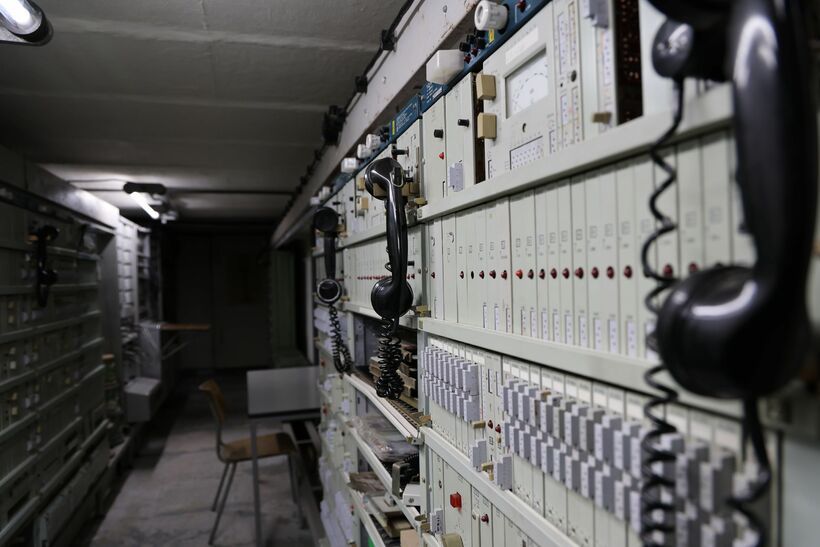
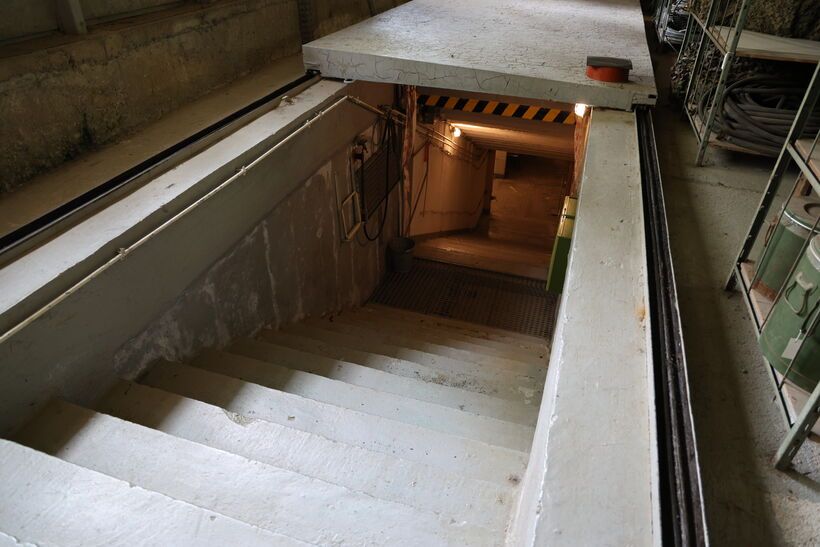
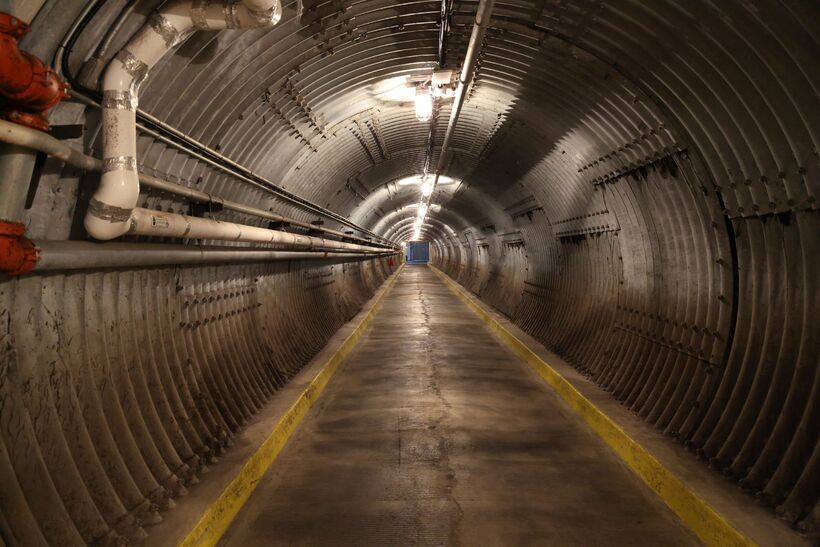
1. Canada – “The Hole” NORAD & the BOMARC Missile Base: Buried 600 feet deep in the Canadian Shield lies an underground fortress from the Cold War. For over 40 years, officers worked around the clock analyzing radar data from the North American military defense network—under the strictest secrecy. They were also authorized to issue secret orders, launch fighter jets, and initiate missile strikes from the nearby BOMARC missile base. Although NORAD has been decommissioned, its work continues above ground. Only those with the highest security clearance know the details of the secret activities at the site known as “the Hole.” ----- 2. Berlin - Checkpoint Charlie: It was the epicenter of Cold War tensions, the only border crossing between East and West Berlin. The evolution of this place symbolizes the growing tensions of the Cold War. With enemies facing each other on shared ground, the area became a paradise for espionage and smuggling. What—and who—managed to cross the border unnoticed? How did failed escape attempts heighten fear while also undermining the authority of the GDR? How did an incident in 1961 nearly lead to a real and violent confrontation between Cold War rivals? ---- 3. Leipzig - Stasi-Bunker: On the outskirts of Leipzig, a secret East German underworld was created to house the Stasi. Anticipating not only a nuclear catastrophe but also a civilian uprising, they built an emergency command center far from their headquarters in Leipzig. Deep underground, this futuristic bunker was connected to secure Stasi communication networks to maintain contact with local forces. How did the Stasi plan to retain control from here in the event of an attack or uprising?
-
Unsafe Skies
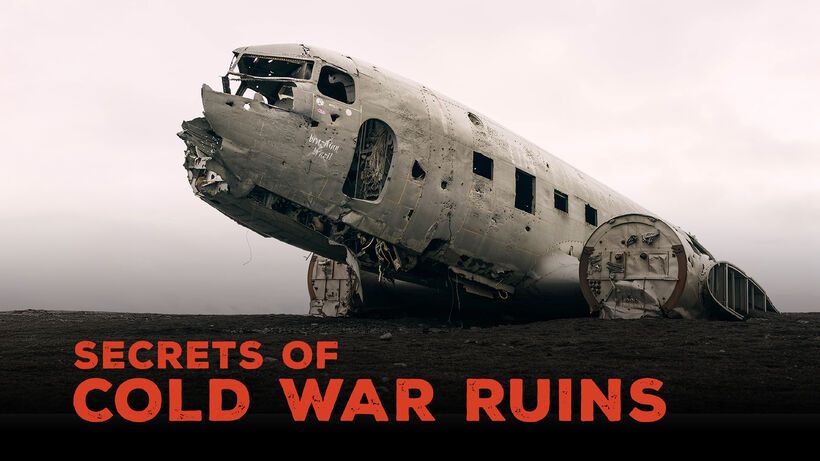
1. Arizona USA - Missile Base 8: In the late 1950s, fear of falling behind shook Americans’ confidence in their national security. In response, the U.S. military built Launch Complex 571 7, an underground facility enabling the deployment of a Titan II missile under the most extreme circumstances. It carried the largest warheads in the ICBM program, with destructive power surpassing all others. But Site 8 was only one of 17 silos that were constantly fueled and ready to launch at any moment.---- 2. Arizona USA -Aircraft Boneyard: At the end of World War II, Davis–Monthan Field became the final resting place for Allied fighter aircraft. During the Cold War, however, it played a highly strategic role in protecting U.S. technology. The heavily guarded and controlled “Boneyard” became a restricted zone to prevent parts of U.S. aircraft and powerful missiles from falling into the wrong hands. ---- 3. Island - The C-117D Wreck: The secrets held by the 10,000 pound fuselage in Sólheimasandur suggest that Iceland was more active during the Cold War than expected. What was a U.S. Navy cargo plane doing en route to the remote town of Höfn? A strange structure near the town may provide a crucial clue.
-
Preparing for World's End
1. London - Kelvedon Hatch: The secrets held by the 10,000 pound fuselage in Sólheimasandur suggest that Iceland was more active during the Cold War than expected. What was a U.S. Navy cargo plane doing en route to the remote town of Höfn? A strange structure near the town may provide a crucial clue. ---- 2. Netherlands - IJssel Line: The Netherlands, at a time when a Soviet invasion seemed imminent, movable dams were built that could create an inland sea in the event of an attack — a barrier meant to halt the Soviet advance. Prepared to flood entire towns to save the western heartland, officials kept their finger on the trigger. Records show that the IJssel Line was nearly activated. Today, submerged fortifications testify to a Soviet invasion that never happened.---- 3. Latvia – Līgatne Soviet Bunker: Seventy five kilometers from Riga lies a communist refuge of epic proportions. Beneath a countryside sanatorium, a bunker with 90 rooms was built to protect Latvia’s government elite from radioactive fallout. “Soothing” green tunnels are draped with Soviet flags, watched over by a bust of Lenin. KGB offices, conference rooms, and direct lines to Moscow were intended to help the local government survive a catastrophe. Was this place—too far away for a quick escape—built in anticipation of a Soviet provocation?
-
Top Secret
1. Berlin - Harnekop-Bunker: Behind barbed wire and high voltage fences, a military refuge of the GDR was built under the guise of a weather station. This emergency command center, 30 miles from Berlin, was intended to serve as the hub of GDR operations in the event of war. The bunker housed 450 military personnel and included meeting rooms, command and control centers, and living quarters. Plans ranging from troop deployments to operational directives, mobilization strategies, and even strategies for the complete destruction of the West— what would have happened had the GDR been provoked?---- 2. Teufelsberg: During the Cold War, one of the NSA’s best kept secrets stood in plain sight on the edge of Berlin: beneath white domes atop a rubble hill was a listening station monitoring the Eastern Bloc. As a central node in a global espionage network, it intercepted Soviet satellite signals, radio traffic, and microwaves. More than 1,500 American and British specialists analyzed the data, which fed into NATO negotiations and crisis strategies. Behind closed doors and barbed wire, fear of espionage and betrayal grew—every mistake could have political consequences. An early, barely noticed interception already contained clues about the construction of the Berlin Wall. What other insights went undiscovered?---- 3. UK - Dover Castle: Deep beneath the castle walls lies a network of tunnels—built during the Napoleonic Wars, rebuilt during World War II, and finally used as a top secret complex during the Cold War. How were the tunnels, meant to protect up to 300 government and military officials from a nuclear attack, equipped to be ready at short notice? What happened during Operation Fallex at Dover Castle? And how did the Cuban Missile Crisis ultimately underscore the importance of this facility?
-
Safeguarding
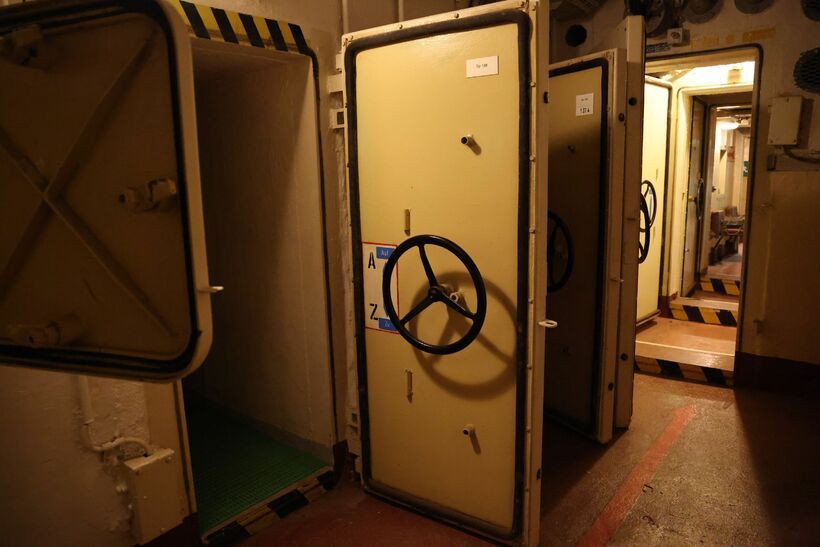
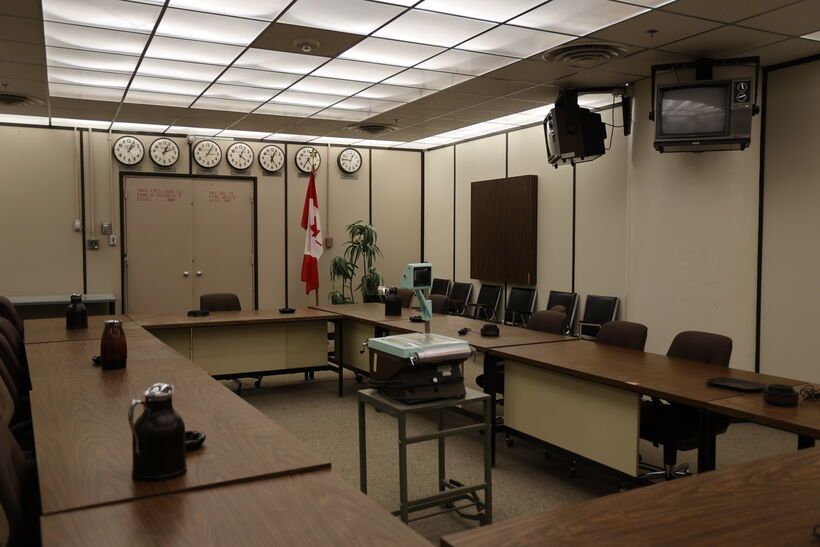
1. Canda - Diefenbunker: In Canada, a four story underground bunker was built to serve as an emergency headquarters in the event of a missile attack. With 358 rooms and modern security systems, it was perfectly equipped. But how close did Canada come to activating the bunker ---- 2. Germany - Peenemünde: Used as a launch point for the Soviet Navy, it was later handed over to the East German Volksmarine. From its harbor, fast attack boats, missile boats, minesweepers, and amphibious vehicles spread across the Peene estuary into the Baltic Sea, rehearsing plans to lay dense minefields and launch sudden torpedo and missile attacks on NATO shipping routes.---- 2. 3. UK - Hack Green Nuclear Bunker: As one of twelve regional government centers, Hack Green quietly became the epicenter for local officials who were to operate after a nuclear strike. Plans for a hypothetical fallout reveal a frightening reality. How would authorities use new emergency powers in a post impact world? From coordinating survival resources to directing military operations—what plans were made for the worst case scenario?
-
Test Sites & Tech
1. Netherlands- Soesterberg Air Base: The Netherlands entered into a military cooperation agreement with the United States to protect against Soviet aggression. Soesterberg Air Base, renamed Camp New Amsterdam, became a symbol of readiness to respond to Soviet threats. ---- 2. 2. Ukraine - Das Woodpecker/Dugar-Radar: Worldwide, a mysterious and powerful signal—sounding like repeated knocking—interfered with radios, commercial aviation, and even television broadcasts. At the time, the source of the disturbance was unknown. Although thousands of complaints were filed, the USSR denied its existence entirely. With the collapse of the Soviet Union, the global mystery was finally solved: a strange wall of antennas produced the sound.---- 3. Greenland - Thule Air Base: In 1951, the U.S. military built Thule Air Base in the remote wilderness of Greenland. It was designed as a covert interception station and refueling point for long range bombers. To construct it, 300,000 tons of material and 20,000 men were secretly brought to North Star Bay. Years later, the site became part of the DEW radar line. But in 1968, a catastrophic crash of a B 52 caused radioactive contamination across more than 75 square kilometers, exposing the U.S. operation. What were the Americans doing on the ice?
Facts
-
Original TitleSecrets of Cold War Ruins
-
Other TitlesLost Places des Kalten Krieges
-
YearFull Delivery by Q4 2026
-
Length6 × 45' (ENG, GER)
-
ResolutionHD, 4K
-
Film byDaniel Oron
-
Produced by
-
Partners