Moral Dilemmas: Lessons from Literature
Universal moral dilemmas – as urgent today as ever.
Are there innocent perpetrators? What carries more weight – love or political conviction? Can I be different and still belong? Does responsibility exclude freedom? The world is full of profound dilemmas, where essential moral questions rarely have simple answers. Nothing reveals human ambiguity and inner conflict more powerfully than literature. Drawing on five modern literary classics, this series explores universal moral dilemmas through bold, contemporary cinematic storytelling.
Episodes
-
Inside the Mind of a Murderer: Crime and Punishment by Fyodor Dostoevsky

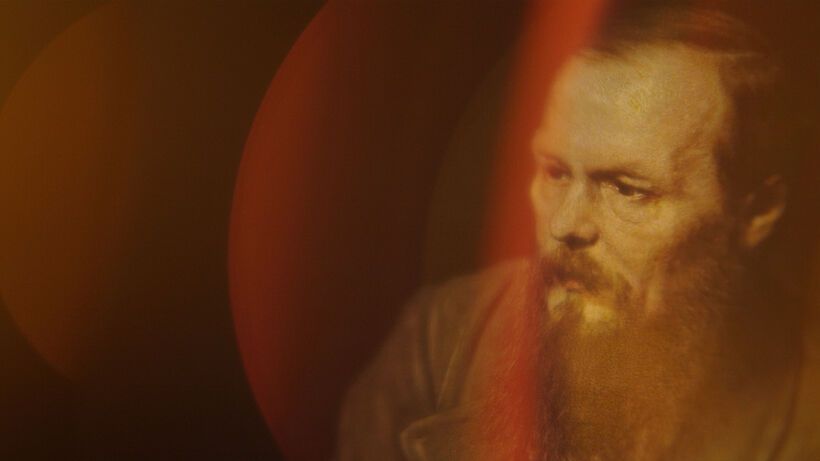
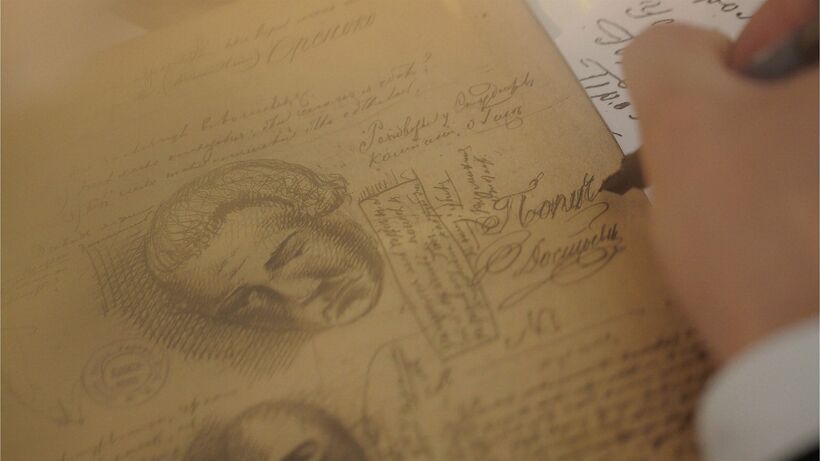
What goes on in the mind of a murderer? And how does a sensitive young man become a killer? Fyodor Dostoyevsky wrote the first profiling novel in history with his classic “Crime and Punishment.” He describes the increasing radicalization of a frustrated young man: Rodion Raskolnikov. With this story, set in 19th-century St. Petersburg, Dostoevsky proves himself to be a visionary. Long before Sigmund Freud, he delves deep into the soul of his protagonist and describes precisely what drives him to murder. The novel is timeless. The film embeds this classic of literary history in current events and shows that Crime and Punishment is a highly contemporary study of violence, radical ideologies, and moral self-empowerment.
-
Child or Life: Happening by Annie Ernaux
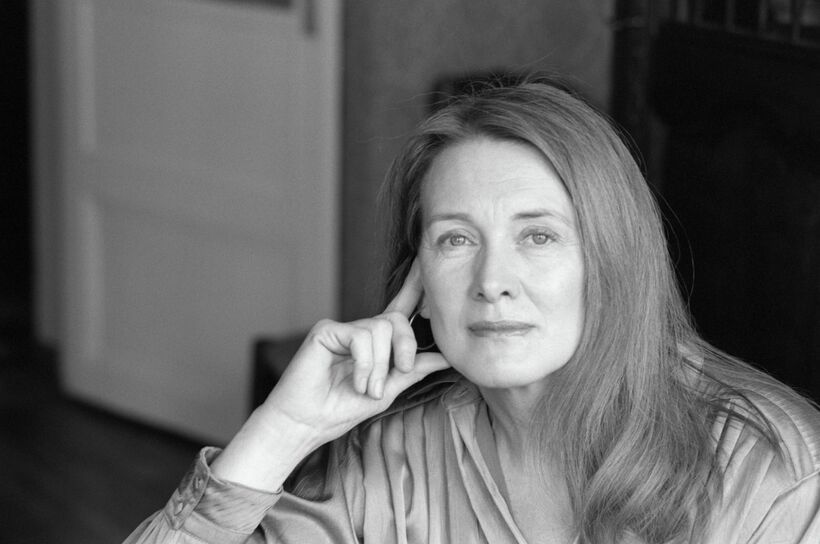
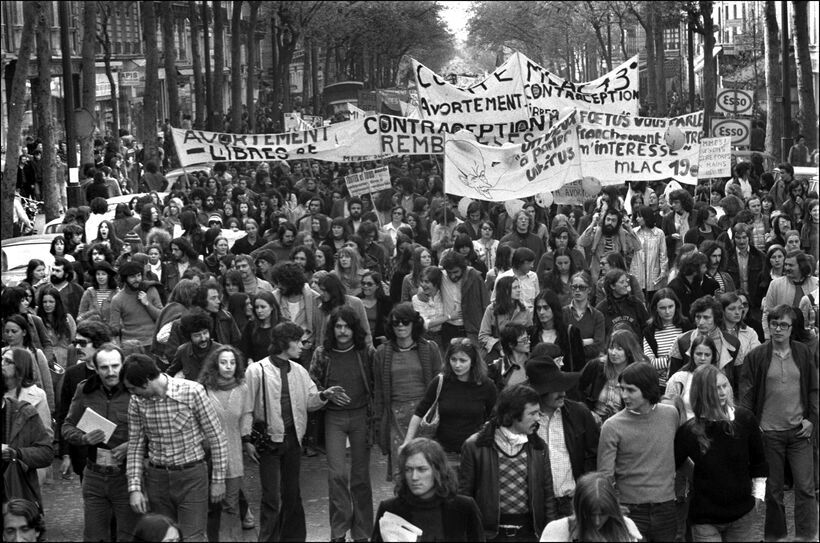
In her novel “Happening,” Nobel Prize-winning author Annie Ernaux tells the story of her own existential dilemma: as a student in 1963, she becomes pregnant unintentionally. At that time, having a child as an unmarried woman meant giving up education and social advancement. Abortion, on the other hand, was illegal and therefore life-threatening. As a young woman, Annie Ernaux's protagonist, like the writer herself at the time, is faced with the decision of either giving up her desire for a self-determined life or risking imprisonment—and even her life—for having an illegal abortion. The film embeds the novel and Ernaux's personal story in the events of the 1960s and 1970s in France and Germany. It is a decades-long struggle for the liberalization of abortion and for women's rights. The novel shows that its theme is still shockingly relevant today.
-
Love in a Time of Dictatorship: They divided the Sky by Christa Wolf
When ideology dictates life: in "They divided the Sky", Christa Wolf powerfully depicts the collapse of a romantic relationship under the pressure of the GDR dictatorship. Shortly before the Berlin Wall was built, Rita and Manfred must decide: should they flee or stay? What do they believe in: their love or socialist society? At the same time, the story that made Christa Wolf famous also reflects her own dilemma. She was a staunch socialist and, at the same time, a critic of the GDR regime. What should one do when one believes in a utopia, yet recognises ever more clearly that it is doomed to fail?
-
Love Against the Norm: Giovanni’s Room by James Baldwin
James Baldwin’s 1956 novel "Giovanni’s Room" is a classic of queer literature: the love between David and Giovanni in Paris at that time is thwarted by David’s fear of ridicule, exclusion and violence. The film shows just how alarmingly relevant Baldwin’s critique of homophobia, racism and discriminatory norms remains even today.
- Just a Little Sex: Les Choses humaines by Karine Tuil
Facts
-
Original TitleDilemma
-
YearFull delivery by Q4 2026
-
Length5 × 52' (ENG, GER)
-
ResolutionHD
-
Film byAngelika Kellhammer, Gabriele Pfaffenberger
-
Produced by
-
Partners